Cultivating a thriving vegetable garden in Zone 7 requires understanding its unique climate and timing. With heightened interest in homegrown produce‚ knowing when to plant is crucial for success.
Texas’s diverse landscape offers ample opportunities for plant growth‚ making vegetable gardening a rewarding experience for both beginners and experienced gardeners alike.
Understanding Zone 7
Zone 7 is a geographically diverse area characterized by moderate temperatures and a growing season long enough to support a wide variety of vegetables. This zone experiences distinct seasons‚ with warm summers and cool winters‚ making careful planning essential for successful gardening. It generally encompasses areas with minimum average winter temperatures between 0°F and 10°F (-17.8°C and -12.2°C);
Understanding your specific microclimate within Zone 7 is vital. Factors like elevation‚ proximity to bodies of water‚ and sun exposure can significantly influence growing conditions. Texas‚ being a large state‚ showcases this variability; conditions in North Texas differ from those in East Texas‚ even within the same zone. Gardeners must consider these nuances when selecting vegetables and determining planting times.
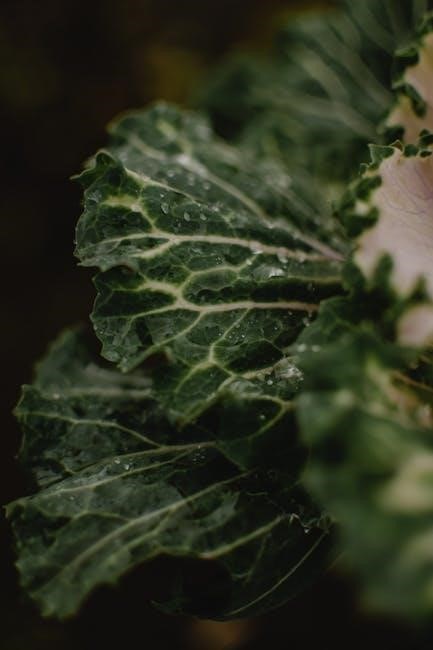
The extended growing season allows for both spring and fall crops‚ and even some overwintering possibilities with proper protection. This makes Zone 7 ideal for maximizing garden productivity and enjoying fresh produce for a significant portion of the year. Careful attention to frost dates‚ detailed in subsequent sections‚ is paramount.
First Frost Dates in Zone 7
Knowing your average first frost date is crucial for extending the harvest and protecting tender vegetables in Zone 7. Generally‚ the first frost arrives between October 15th and November 15th‚ but this varies considerably depending on location and microclimate. Gardeners should consult local resources‚ such as agricultural extension offices or weather websites‚ for precise dates specific to their area.
The first frost signals the end of the warm-season growing period for frost-sensitive plants like tomatoes‚ peppers‚ and beans. Protecting these crops with row covers‚ blankets‚ or other frost protection methods can buy valuable time and extend the harvest. Monitoring the forecast closely as autumn approaches is essential.
Understanding that these are average dates is key. Some years‚ the first frost may occur weeks earlier‚ while others may experience a later freeze. Preparing for the possibility of an early frost by having protective materials on hand is a smart gardening practice. Planning for succession planting of cool-season crops before the first frost ensures a continuous harvest.
Last Frost Dates in Zone 7
Determining the average last frost date is paramount for successful vegetable gardening in Zone 7‚ dictating when to safely transplant warm-season crops. Typically‚ the last frost occurs between April 15th and April 30th‚ though significant regional variations exist. Gardeners should rely on localized data from sources like local weather stations or agricultural extensions for the most accurate information pertaining to their specific microclimate.
This date marks the transition to planting heat-loving vegetables such as tomatoes‚ peppers‚ and beans directly into the garden. Starting seeds indoors 6-8 weeks before the last frost allows for a head start‚ ensuring robust transplants ready for the garden. However‚ it’s wise to have frost protection materials available‚ as late frosts can still occur.
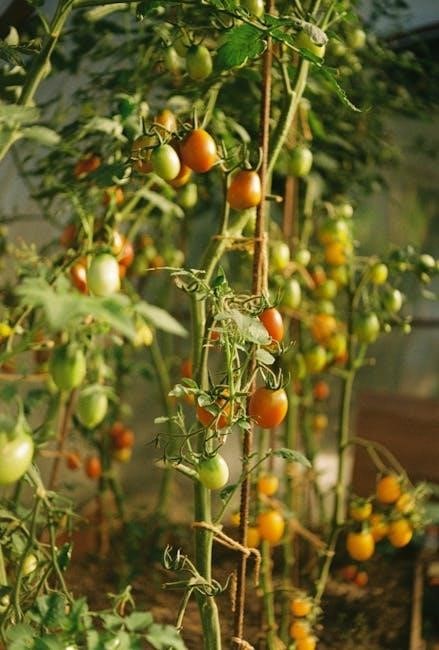
Remember‚ the last frost date is an average. Unexpected late freezes are possible‚ so monitoring the weather forecast closely is crucial. Hardening off seedlings before transplanting them outdoors gradually acclimates them to outdoor conditions‚ minimizing transplant shock and increasing their resilience to potential late frosts.
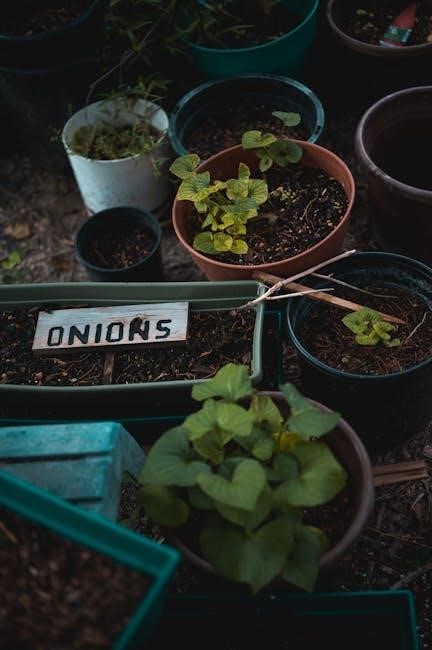
Cool-Season Vegetables for Zone 7
Zone 7’s moderate climate allows for a lengthy cool-season growing period‚ ideal for a wide array of vegetables that thrive in cooler temperatures. These crops can be planted in early spring or fall‚ providing harvests before the summer heat or after it subsides. Popular choices include leafy greens like spinach‚ lettuce‚ and kale‚ which tolerate light frosts and offer continuous harvests through cutting-and-come-again methods.
Root vegetables such as radishes‚ carrots‚ and beets also excel in cool weather‚ developing optimal flavor and texture when grown during these periods. Brassicas – broccoli‚ cabbage‚ and cauliflower – benefit from the cooler temperatures‚ preventing bolting and ensuring robust head formation. Peas and onions are further excellent options for early spring planting.
Succession planting is key to maximizing cool-season yields. Staggering plantings every few weeks ensures a continuous supply of fresh vegetables throughout the spring and fall. Utilizing row covers can provide additional protection from unexpected frosts and extend the growing season further.
Early Spring Planting (February-March)
As Zone 7 begins to thaw in February and March‚ eager gardeners can start sowing seeds for the first wave of cool-season crops. This is the prime time to get a head start on vegetables that require a longer growing period before the warmer weather arrives. Focus on direct sowing hardy seeds like spinach‚ radishes‚ and early varieties of lettuce directly into the garden bed.
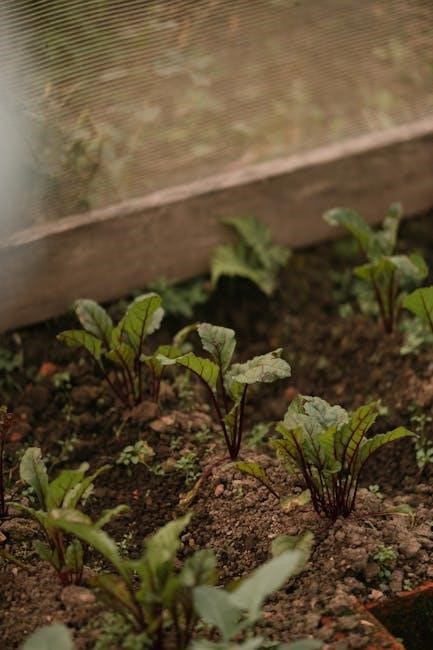
For a jump start‚ consider starting seeds indoors 6-8 weeks before the last expected frost for vegetables like broccoli‚ cabbage‚ and cauliflower. These can then be transplanted outdoors in March. Peas are also excellent candidates for early spring planting‚ benefiting from the cool soil temperatures. Remember to amend the soil with compost to provide essential nutrients.
Protect young seedlings from late frosts with row covers or cloches. Monitoring the weather forecast closely is crucial during this period‚ as unexpected cold snaps can damage tender plants. Preparing the garden beds in advance will ensure a smooth and productive planting season.
Late Spring/Early Summer Planting (April-May)
As the threat of frost diminishes in April and May‚ Zone 7 gardeners can expand their planting horizons to include a wider variety of cool-season vegetables. This period is ideal for transplanting seedlings started indoors‚ such as kale‚ Swiss chard‚ and more heat-tolerant lettuce varieties. Continue direct sowing root vegetables like carrots and beets‚ ensuring consistent moisture for germination.
Succession planting becomes important during this time. Sow short-season crops like radishes and spinach every few weeks to ensure a continuous harvest throughout the summer. Consider planting a second round of peas for a late-season crop. Soil temperatures are warming‚ promoting faster growth and development.
Focus on providing adequate water and nutrients to support the increasing demands of growing plants. Mulching around plants helps retain moisture and suppress weeds. This is a busy time in the garden‚ but the rewards of a bountiful harvest are well worth the effort.
Warm-Season Vegetables for Zone 7
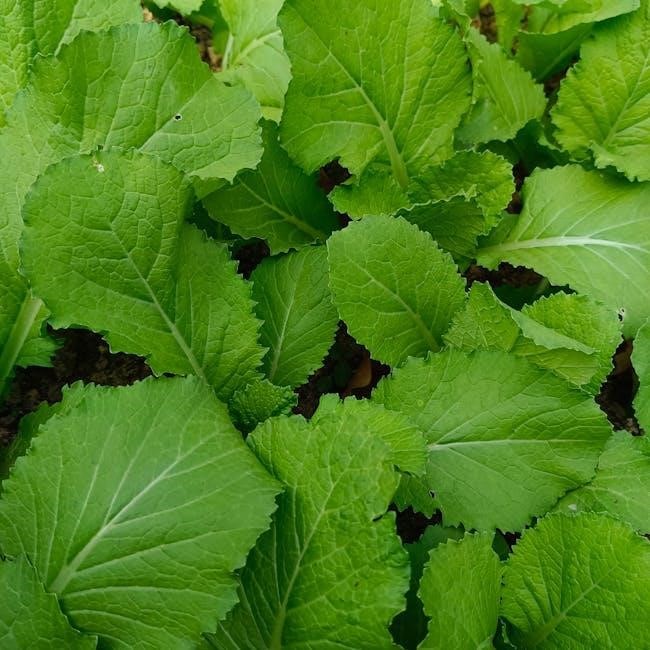
Zone 7’s lengthening days and warming temperatures in late spring signal the time to introduce warm-season vegetables. These plants thrive in the heat and require a longer growing season to reach maturity. Waiting until the danger of frost has completely passed is crucial for their survival and productivity. This typically aligns with May and early June‚ though monitoring local forecasts is always recommended;
Popular choices include tomatoes‚ peppers‚ eggplants‚ cucumbers‚ squash‚ and beans. Starting seeds indoors 6-8 weeks before the last frost date gives these plants a head start. Alternatively‚ transplants can be purchased from local nurseries. Ensure the soil is adequately warmed before planting‚ as cool soil can stunt their growth.
Proper spacing is essential for good air circulation and to prevent disease. Consistent watering and fertilization are vital for maximizing yields. Preparing the garden bed with compost and other organic matter will provide the necessary nutrients for these demanding plants.
Planting After Last Frost (May-June)
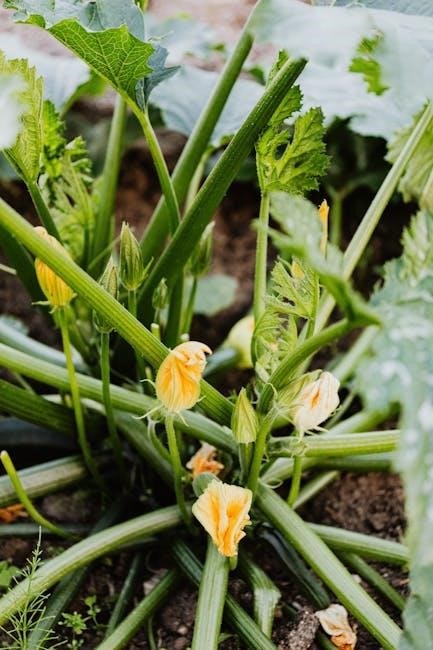
Once the threat of frost has definitively passed in May and June‚ Zone 7 gardeners can confidently plant a wide array of warm-season vegetables. This period marks the optimal time for heat-loving crops that would otherwise be damaged by cold temperatures. Careful attention to soil temperature is still advised‚ ensuring it consistently reaches at least 60°F (15°C) for best results.
Tomatoes and peppers‚ staples of many gardens‚ flourish when planted during this window. Cucumbers‚ squash‚ and melons also benefit from the warmer conditions. Beans‚ both bush and pole varieties‚ can be directly sown into the garden soil. Consider succession planting beans every few weeks to extend the harvest throughout the summer.
Adequate watering is paramount‚ especially during dry spells. Mulching around plants helps retain moisture and suppress weeds; Regular fertilization will support vigorous growth and abundant yields‚ ensuring a bountiful harvest throughout the warmer months.
Succession Planting for Warm-Season Crops
Maximizing your Zone 7 garden’s productivity relies heavily on succession planting‚ particularly for warm-season vegetables. This technique involves staggering planting times to ensure a continuous harvest throughout the growing season‚ rather than a single large yield all at once. It’s especially effective with crops that mature quickly.
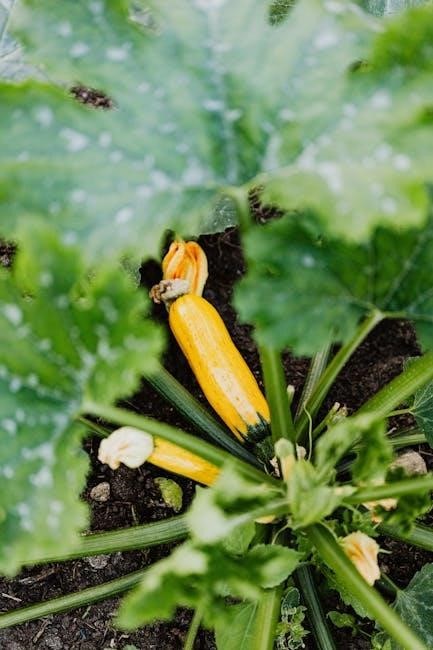
For example‚ beans and radishes can be sown every 2-3 weeks. Similarly‚ lettuce and leafy greens benefit from repeated sowings. Consider planting a second round of tomatoes or peppers a few weeks after the first‚ extending the harvest into fall. Utilizing short-season varieties allows for more frequent succession plantings.
Careful planning is key. Track planting dates and expected maturity times. Interplant fast-growing crops between slower-maturing ones to make efficient use of garden space. Succession planting not only extends the harvest but also minimizes pest and disease pressure by disrupting their life cycles.
Specific Vegetables & Planting Times
Zone 7 offers a generous growing season‚ allowing for a diverse range of vegetable crops. However‚ understanding optimal planting times is crucial for success. Tomatoes‚ a garden staple‚ thrive when transplants are set out after the last frost‚ typically in May or early June. Peppers share similar requirements‚ needing warm soil and consistent temperatures.
Lettuce and other leafy greens can be planted as early as February for a spring harvest‚ with succession plantings continuing throughout the warmer months. Beans‚ both bush and pole varieties‚ are best sown directly into the garden after the last frost‚ with successive sowings every few weeks for a continuous supply.
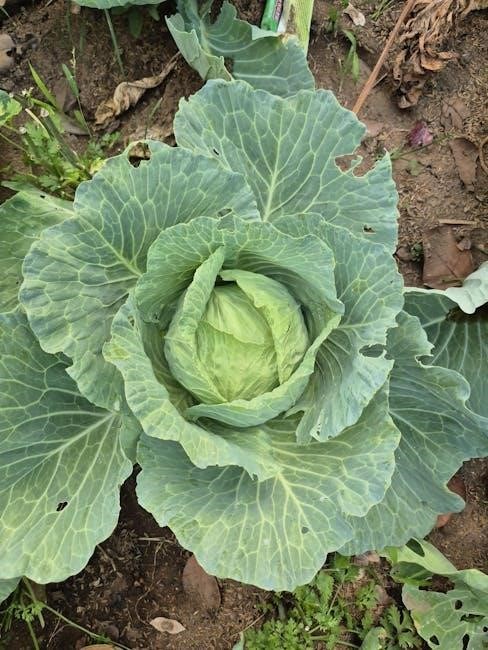
Root vegetables like carrots‚ radishes‚ and beets benefit from early spring planting (March-April) for a summer harvest‚ and again in late summer for a fall crop. Remember these are general guidelines; always check seed packets for specific recommendations.
Tomatoes in Zone 7
Tomatoes are a Zone 7 garden favorite‚ but timing is key for a bountiful harvest. Start seeds indoors 6-8 weeks before the last expected frost‚ typically around late February or early March. Transplant seedlings outdoors after all danger of frost has passed‚ generally in May or early June‚ when soil temperatures consistently reach 60°F (15°C).
Choose determinate varieties for a concentrated harvest‚ ideal for canning‚ or indeterminate varieties for a continuous supply throughout the season. Provide sturdy support‚ such as stakes or cages‚ to prevent sprawling and fruit rot. Consistent watering and fertilization are essential for healthy growth and abundant fruit production.
Consider succession planting by starting a second round of seeds a few weeks after the first to extend the harvest period. Monitor for common tomato pests and diseases‚ and take preventative measures as needed.
Peppers in Zone 7
Peppers thrive in the warm temperatures of Zone 7‚ but require a longer growing season. Similar to tomatoes‚ start pepper seeds indoors 8-10 weeks before the last anticipated frost‚ usually in late February or early March. Transplant seedlings outdoors after the soil has warmed and all frost danger has subsided‚ typically in May or June.
Peppers prefer well-drained soil and full sun. Providing consistent moisture is crucial‚ especially during fruit development. Consider using mulch to retain soil moisture and suppress weeds. Both sweet and hot pepper varieties flourish in Zone 7‚ offering a diverse range of culinary options.
Support taller pepper plants with stakes to prevent them from toppling over. Succession planting with different varieties can extend the harvest window. Regularly inspect plants for pests like aphids and take appropriate action if needed.
Lettuce & Leafy Greens in Zone 7
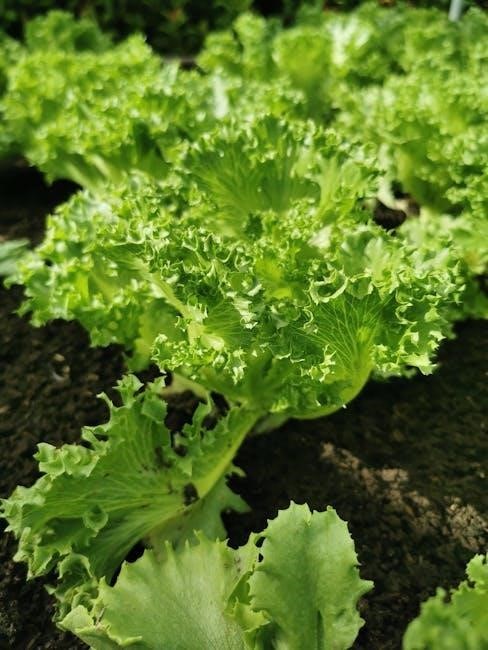
Lettuce and other leafy greens are excellent choices for Zone 7 gardeners‚ offering early spring and fall harvests. These cool-season crops can be directly sown into the garden as soon as the soil can be worked‚ typically in February or March for a spring crop. For a fall harvest‚ sow seeds in late summer‚ around August or September.
Leafy greens prefer consistently moist soil and partial shade‚ especially during warmer periods. Frequent harvesting encourages continued growth. Consider succession planting every few weeks to ensure a continuous supply of fresh greens. Varieties like spinach‚ kale‚ and arugula also perform well in Zone 7.
Protect young seedlings from late frosts with row covers. Watch for pests like slugs and snails‚ and implement appropriate control measures. Regular harvesting and proper soil conditions will yield abundant‚ flavorful leafy greens throughout the growing season.
Beans in Zone 7
Beans thrive in the warm temperatures of Zone 7‚ offering both bush and pole varieties for gardeners to choose from. Planting should occur after the last frost‚ generally in May or June‚ when soil temperatures consistently reach 60°F (16°C). Direct sowing is recommended‚ as beans don’t transplant well.
Succession planting every 2-3 weeks will extend the harvest period throughout the summer. Ensure beans receive at least six hours of sunlight daily and are planted in well-drained soil. Pole beans require support structures like trellises or fences‚ maximizing space and yield.
Regular watering is crucial‚ especially during flowering and pod development. Common bean pests include aphids and bean beetles; monitor plants regularly and implement organic pest control methods when necessary. With proper care‚ beans will provide a bountiful harvest for Zone 7 gardens.
Root Vegetables (Carrots‚ Radishes‚ Beets) in Zone 7
Root vegetables flourish in Zone 7’s moderate climate‚ offering a rewarding harvest with proper timing and soil preparation. Radishes are the quickest to mature‚ suitable for early spring (February-March) and succession planting throughout the cooler months. Carrots and beets benefit from a longer growing season‚ best started in spring (April-May) for a summer harvest‚ or late summer (August) for a fall yield.
These vegetables require loose‚ well-drained soil free of rocks to ensure proper root development. Consistent moisture is vital‚ especially during germination and early growth. Thin seedlings to the recommended spacing to prevent overcrowding.
Protect against root-knot nematodes and other soilborne pests. Succession planting every few weeks will provide a continuous supply of fresh root vegetables. Zone 7’s growing season allows for multiple harvests of these nutritious crops.
Soil Preparation & Amendments for Zone 7
Successful vegetable gardening in Zone 7 begins with well-prepared soil. Texas soils vary greatly‚ but generally benefit from amendment with organic matter. Before planting‚ conduct a soil test to determine pH and nutrient levels. Most vegetables prefer a slightly acidic pH between 6.0 and 7.0.
Amend heavy clay soils with compost‚ aged manure‚ or peat moss to improve drainage and aeration. Sandy soils require organic matter to enhance water retention and fertility. Incorporate amendments deeply‚ at least 12 inches‚ to create a favorable root environment.
Consider adding slow-release fertilizers based on your soil test results. Avoid excessive nitrogen‚ which can promote leafy growth at the expense of fruit production. Maintaining healthy soil is fundamental for vigorous plant growth and abundant harvests in Zone 7.
Pest & Disease Control in Zone 7 Vegetable Gardens
Zone 7 gardens‚ with their extended growing seasons‚ can face various pest and disease challenges. Proactive prevention is key. Regularly inspect plants for signs of infestation or disease‚ such as chewed leaves‚ spots‚ or wilting.
Encourage beneficial insects like ladybugs and lacewings‚ which prey on common garden pests. Companion planting can also deter pests; for example‚ marigolds repel nematodes. Utilize row covers to protect vulnerable crops from insects early in the season.
For disease control‚ ensure good air circulation by spacing plants appropriately. Avoid overhead watering‚ which can promote fungal growth. If diseases occur‚ use organic fungicides or bactericides as needed‚ following label instructions carefully. Consistent monitoring and preventative measures are vital for a healthy Zone 7 vegetable garden.
Extending the Growing Season in Zone 7
Zone 7’s moderate climate allows for a relatively long growing season‚ but extending it further maximizes yields and variety. Utilizing season extension techniques can provide fresh produce for a longer period.
Cold frames and row covers offer protection from early spring and late fall frosts‚ enabling earlier planting and later harvests. High tunnels or greenhouses provide even greater control over the environment‚ allowing for year-round gardening.
Succession planting – staggering planting dates for the same crop – ensures a continuous harvest throughout the season. Choosing cold-hardy varieties of vegetables also extends the harvest window. Mulching helps retain soil warmth and moisture‚ protecting plants from temperature fluctuations. With these strategies‚ Zone 7 gardeners can enjoy fresh‚ homegrown vegetables for many months.
