Vinyl Works Pool Ladder Instructions: A Comprehensive Guide
Navigating pool safety and enjoyment, this guide details assembly, installation, maintenance, and troubleshooting for your Vinyl Works ladder – ensuring years of reliable use.
Understanding Your Vinyl Works Pool Ladder
Your Vinyl Works pool ladder is engineered for durability and safety, specifically designed for use with vinyl liner pools. These ladders aren’t universally compatible with all pool types; therefore, confirming suitability is crucial before installation. Understanding the ladder’s construction – typically featuring corrosion-resistant materials like stainless steel and high-quality plastics – is key to proper maintenance.
Different models cater to varying pool depths and entry preferences. Familiarizing yourself with your specific model’s features, as detailed in accompanying documentation, will streamline the installation process. Recognizing the intended load capacity and adhering to weight limits are paramount for safe operation. Proper understanding ensures longevity and prevents potential hazards.

Safety First: Important Precautions
Prioritize safety during all phases of installation and use. Never attempt installation alone; always have a capable assistant. Inspect all components for damage before beginning assembly, discarding any defective parts. Ensure the installation area is clear of obstructions and debris.
Children should never be allowed near the ladder during installation or unsupervised while the ladder is in use. Always maintain a firm grip on railings when entering or exiting the pool. Regularly check for loose hardware and promptly tighten as needed. Adhering to weight limits is critical to prevent structural failure and potential injury. Ignoring these precautions can lead to serious accidents.
Ladder Components & Identification
Familiarize yourself with all parts before assembly. A typical Vinyl Works ladder includes two upright rails, typically constructed of durable plastic or metal. Steps, often made of molded plastic, attach to the rails, providing access in and out of the pool. The base secures to the pool floor, offering stability.
Hardware – bolts, nuts, and washers – are essential for secure connections. Railings, providing a handhold, are usually integrated into the uprights. Identifying each component by name and function will streamline the installation process and ensure correct assembly. Refer to the parts list included in your package to verify all items are present.
Identifying Railings and Steps
Railings are the vertical supports providing a secure grip when entering or exiting the pool; They’re typically molded plastic, extending from the base to the deck mounting point. Examine for any cracks or damage before installation. Steps are the horizontal platforms you stand on; they often feature a textured surface for improved traction.
Vinyl Works steps usually clip or bolt onto the railings. Note the orientation – steps are not always symmetrical. Ensure the curved or angled side faces outwards for easier foot placement. Inspect steps for structural integrity and proper attachment points. Correctly identifying these components is crucial for a safe and functional ladder.
Recognizing Hardware (Bolts, Nuts, Washers)
Vinyl Works ladders utilize specific hardware for secure assembly. Bolts are typically stainless steel, resisting corrosion. Identify the bolt head type – often hexagonal. Nuts correspond to the bolts, tightening to create a clamp force. Washers, usually nylon or stainless steel, distribute pressure and prevent damage to the vinyl components.
Pay close attention to bolt length; using incorrect lengths can compromise stability. Different ladder sections may require varying hardware sizes. A parts list (included in your package) details the quantity and specifications of each item. Proper hardware identification and usage are paramount for a robust and safe ladder installation.
Pre-Installation Checklist
Before beginning installation, a thorough checklist ensures a smooth process. First, verify the pool deck’s structural integrity – it must support the ladder’s weight and user load. Confirm adequate space around the ladder location, allowing for safe entry and exit. Review all instructions completely, familiarizing yourself with each step.
Next, unpack all components and compare them against the parts list. Gather the necessary tools (see section below). Finally, inspect each part for any shipping damage. Addressing these preliminary steps proactively minimizes delays and guarantees a secure, long-lasting installation of your Vinyl Works pool ladder.
Tools Required for Assembly
Successful ladder assembly demands specific tools for efficiency and safety. A rubber mallet is crucial for gently securing connections without causing damage. You’ll need a socket wrench set, including sizes appropriate for the provided bolts and nuts. A Phillips head screwdriver is essential for various hardware components.
A level ensures the ladder is correctly aligned for stability. Consider using Teflon tape on threaded connections to prevent leaks and corrosion. Safety glasses are paramount to protect your eyes during assembly. Finally, having work gloves provides a better grip and protects your hands. Proper tools streamline the process and ensure a secure installation.
Checking Package Contents
Before beginning assembly, meticulously verify all components are present. Your package should include ladder rails (typically two), a set of steps (quantity varies by model), the ladder base, and all necessary hardware – bolts, nuts, and washers. A detailed parts list is usually included; cross-reference each item.
Inspect each part for any shipping damage, such as cracks or bends. Missing or damaged components should be reported to the retailer or Vinyl Works immediately. Don’t proceed with assembly if anything is missing. Proper inventory ensures a smooth installation and avoids frustrating delays later on. Confirm quantities before you start!
Step-by-Step Installation Guide
Begin by carefully attaching the ladder rails to the pool deck, ensuring they are positioned according to your pool’s specifications and local safety regulations. Use appropriate mounting hardware – often included – and ensure a secure, stable connection. Next, position the ladder base on the pool floor, aligning it with the rails.
Secure the base using appropriate anchors or weights, depending on your pool type. Finally, install the ladder steps, firmly attaching them to the rails with the provided bolts and washers. Double-check all connections for tightness and stability before use. A properly installed ladder is crucial for safety!
Attaching Ladder Rails to Pool Deck

Begin by precisely positioning the ladder rails against the pool deck, ensuring they align with pre-drilled holes or desired mounting locations. Utilize the supplied mounting brackets and hardware – typically bolts, nuts, and washers – to secure the rails firmly.
Prioritize using corrosion-resistant hardware to prevent rust and maintain structural integrity. Ensure the rails are level and plumb before fully tightening the bolts. Over-tightening can damage the deck or rails, so exercise caution. A secure attachment is paramount for ladder stability and user safety, preventing accidental dislodgement.
Securing the Ladder Base to the Pool Floor
Carefully lower the ladder base into the pool, positioning it centrally and ensuring it rests firmly on the pool floor. Many Vinyl Works ladders utilize weighted bases for inherent stability, but additional securing may be necessary, especially in deeper pools or with heavy use.
If your model includes base plates with pre-drilled holes, use appropriate pool-grade anchors and screws to fasten the base to the floor. Avoid aggressive anchoring that could damage the pool liner. Regularly inspect the base attachment for any signs of loosening or corrosion, maintaining a safe and stable ladder foundation.
Installing Ladder Steps
Begin by attaching the first step to the ladder rails, ensuring proper alignment with the pre-drilled holes. Use the provided hardware – typically bolts, washers, and nuts – to secure the step firmly. Hand-tighten initially, then use a wrench to fully tighten, avoiding over-tightening which could damage the plastic or metal components.
Repeat this process for each subsequent step, maintaining consistent spacing as indicated in the installation manual. Double-check that all steps are level and securely fastened before fully committing to the installation. Regularly inspect step attachments for looseness, and re-tighten as needed to guarantee user safety.
Adjusting Ladder Height and Angle
Fine-tuning your ladder’s position is crucial for safe and comfortable access. Most Vinyl Works ladders offer adjustable height via telescoping rails or adjustable mounting brackets. Loosen the locking mechanisms, extend or retract the rails to the desired height, and securely re-tighten the locks.
Angle adjustments are typically made at the deck flange connections. Ensure the ladder angle isn’t too steep or shallow, providing a stable and easy climbing experience. Regularly check these adjustments, especially after periods of heavy use or winter storage, to maintain optimal safety and functionality.
Winterizing Your Vinyl Works Pool Ladder
Proper winterization prevents damage from freezing temperatures and extends your ladder’s lifespan. Begin by completely removing the ladder from the pool and deck. Thoroughly clean all components with mild soap and water, removing any debris or scaling. Inspect for corrosion or damage, addressing issues promptly.
Dry all parts completely before storing. Avoid storing the ladder directly on concrete; use a pallet or wooden blocks. Store indoors in a dry, protected area, away from direct sunlight and extreme temperatures. Consider applying a rust preventative to metal parts for added protection during the off-season.
Troubleshooting Common Issues
Addressing problems promptly ensures continued safety and functionality. A wobbly ladder often stems from loose hardware – tighten all bolts and nuts. Step slippage can occur due to worn step treads; consider replacement. Regularly inspect for cracks or damage to rails and steps.
Rust prevention is crucial; clean and apply protective coatings. If a step feels unstable, immediately remove it from service. For persistent wobbling, check the pool deck mounting points for stability. Always prioritize safety – if unsure, consult a professional for repairs or replacement parts.
Wobbly Ladder – Causes and Solutions
A wobbly ladder presents a significant safety hazard and requires immediate attention. The most frequent cause is loose hardware – meticulously check and tighten all bolts, nuts, and washers connecting the rails, steps, and base. Uneven pool deck surfaces can also contribute; ensure the ladder makes solid contact.
Inspect the ladder base for proper seating on the pool floor. If the issue persists, examine the rail connections for any signs of bending or corrosion. Replacing worn or damaged hardware is often the solution. For severe instability, professional assessment is recommended to prevent accidents.
Step Slippage – Prevention and Repair
Step slippage compromises safety and can lead to falls. Prevention centers around regular inspection of step attachment points – ensuring bolts are securely tightened. Algae growth on step surfaces significantly reduces traction; consistent pool cleaning is vital. Consider applying non-slip treads for enhanced grip, especially for children and elderly users.
If a step is slipping, immediately cease ladder use. Tighten all associated hardware. If the mounting holes are stripped, replacement of the step and potentially the rail section may be necessary. Avoid forceful tightening, which can worsen the damage. Prioritize safety and consult a professional if unsure.
Rust Prevention and Maintenance
Rust is a common enemy of pool ladders, particularly those with metal components. Prevention begins with thorough rinsing after each swimming season, removing chlorine and salt residue. Inspect all metal parts – railings, steps, and hardware – for early signs of corrosion. Applying a protective coating, like a marine-grade sealant, creates a barrier against moisture.
For existing rust, use a wire brush to remove loose flakes, then apply a rust converter followed by a protective paint. Regularly lubricate moving parts with silicone-based lubricant. Avoid abrasive cleaners that can damage protective coatings. Consistent maintenance extends ladder life and ensures continued safety.
Replacing Ladder Steps
Damaged or cracked ladder steps pose a significant safety hazard and require immediate replacement. Begin by carefully removing the old step, noting the orientation and securing hardware – bolts, nuts, and washers. Ensure the replacement step is identical to the original in size and material, compatible with your Vinyl Works model.
Align the new step correctly within the ladder frame, inserting the securing hardware. Tighten bolts gradually and evenly to avoid stressing the ladder rails. Double-check that the step is firmly attached and level before use. Consider replacing steps in pairs to maintain aesthetic consistency and structural balance.
Replacing Ladder Rails
Severely bent or corroded ladder rails compromise the ladder’s structural integrity and necessitate replacement. This is a more complex procedure requiring careful disassembly of the entire ladder. Begin by documenting the rail connections – photos are highly recommended! Remove all steps, bracing, and hardware, keeping components organized.
Install the new rails, ensuring proper alignment with the deck flange and base plate. Reattach all components, tightening hardware to the manufacturer’s specifications. Gradual tightening prevents rail distortion. Thoroughly inspect all connections before use, verifying stability and secure fastening. Professional assistance is advised for this repair.
Replacing Ladder Hardware
Corroded or stripped bolts, nuts, and washers must be replaced to maintain ladder safety and stability. Always use hardware specifically designed for pool ladders – stainless steel is highly recommended for longevity. Before replacing, identify the hardware type and size; referencing your original parts list is crucial.
When installing new hardware, apply a lubricant to the threads for easier assembly and to prevent future seizing. Avoid over-tightening, as this can damage the plastic components or strip the threads. Use a torque wrench if available, following the manufacturer’s specifications. Regularly inspect all hardware for signs of corrosion or wear.

Choosing the Right Replacement Parts
Selecting compatible replacement hardware is paramount for your Vinyl Works ladder’s safety and structural integrity. Always prioritize parts specifically manufactured for pool ladders, ensuring they meet industry standards for corrosion resistance and durability. Stainless steel components are ideal, resisting rust and extending the lifespan of your ladder.
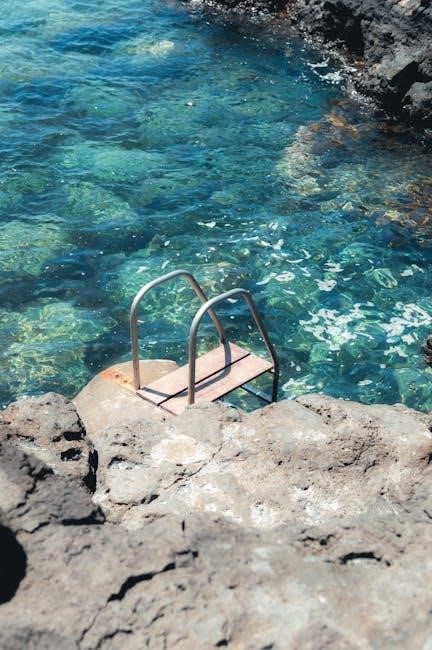
Carefully match the size, thread pitch, and material of the original parts. Refer to your ladder’s model number when ordering to guarantee compatibility. Avoid generic hardware store items, as they may not withstand the pool environment. Purchasing directly from Vinyl Works or authorized retailers ensures genuine, high-quality replacements.
Proper Tightening Techniques
Securely fastening ladder components is crucial for stability and user safety. When installing replacement hardware, avoid over-tightening, which can strip threads or crack plastic parts. Use a calibrated wrench to apply consistent pressure, tightening bolts in a crisscross pattern for even distribution.
Employ appropriate washers to prevent damage and distribute load. Regularly inspect all fasteners for tightness, especially after initial installation and seasonal re-assembly. Consider using a thread-locking compound to prevent loosening due to vibration and water exposure. Always double-check connections before each use, prioritizing a secure and reliable ladder structure.
Ladder Maintenance Schedule
Proactive maintenance extends your Vinyl Works ladder’s lifespan and ensures continued safety; Perform a monthly visual inspection throughout the swimming season, checking for loose hardware, cracks, or corrosion. Before storing for winter, thoroughly clean the ladder with mild soap and water, removing all debris and pool chemicals.
Annually, disassemble the ladder for a detailed inspection of all components. Replace any worn or damaged parts immediately. Lubricate moving parts with a silicone-based lubricant to prevent sticking. Store the ladder in a dry, covered location away from direct sunlight and extreme temperatures. Consistent upkeep guarantees years of dependable performance.
Vinyl Works Ladder Model Variations
Vinyl Works offers a range of pool ladder models to suit diverse needs and budgets. Standard models provide essential access with durable construction, while Deluxe models often feature enhanced aesthetics, wider steps, and additional safety features like extra handrails. Some models are specifically designed for above-ground pools, while others cater to inground installations;
Always consult the specific instructions included with your ladder model, as installation procedures and component details may vary. Pay close attention to weight capacity and recommended pool depth. Understanding your model’s unique characteristics ensures proper installation and safe operation.
Differences Between Standard and Deluxe Models
Standard Vinyl Works ladders prioritize functionality and affordability, typically featuring a simpler design with fewer embellishments. Deluxe models elevate the experience with upgraded materials and enhanced features. Expect wider, more comfortable steps on deluxe versions, reducing strain during entry and exit.
Deluxe ladders often include additional handrail support for increased stability and safety, particularly beneficial for families with children or individuals with mobility concerns. Aesthetic improvements, like polished railings or decorative accents, are also common. While both models meet safety standards, deluxe options offer a premium feel and added convenience.
Specific Instructions for Different Models
Vinyl Works offers various ladder series – each requiring nuanced installation. The “Economy” series utilizes a simpler base plate attachment, needing precise alignment. “Grandview” models feature adjustable steps; ensure each click-locks securely. “Majestic” ladders demand extra care during rail connection, verifying bolt tightness.
For “Island” ladders, confirm the floating base is level before securing. “A-Frame” ladders require checking the A-frame’s stability post-installation. Always consult the model-specific diagram included in your packaging. Ignoring these details can compromise safety and ladder longevity. Refer to the official Vinyl Works website for downloadable manuals tailored to your exact model.
Finding Replacement Parts
Locating replacement parts for your Vinyl Works ladder is crucial for maintaining safety and functionality. The Vinyl Works official website (examplewebsite.com) offers a comprehensive parts catalog, searchable by model number. Third-party retailers like Amazon, PoolSupplyWorld, and local pool stores also stock common components – steps, rails, and hardware.
When ordering, always verify compatibility with your specific ladder model. Providing the model number ensures accurate part selection. Consider purchasing directly from Vinyl Works for guaranteed authenticity. Compare prices across retailers, factoring in shipping costs. Keep your ladder’s serial number handy for efficient support and warranty claims.
Vinyl Works Official Website
The Vinyl Works official website serves as the primary resource for all ladder-related needs. Here, you’ll find detailed product specifications, downloadable manuals, and an extensive parts catalog searchable by model number. Registration of your ladder unlocks access to exclusive support and warranty information. The site features helpful diagrams illustrating component identification, aiding in accurate replacement part ordering.
Frequently updated with installation guides and troubleshooting tips, the website offers a wealth of knowledge. A dedicated customer service portal allows direct contact with Vinyl Works representatives for personalized assistance. Explore the ‘Support’ section for FAQs and downloadable resources, ensuring a smooth ownership experience.
Third-Party Retailers
Numerous online and brick-and-mortar retailers carry Vinyl Works pool ladder parts and accessories. Major home improvement stores often stock common replacement steps, rails, and hardware kits. Specialty pool supply stores provide a wider selection and expert advice, assisting in identifying the correct components for your specific model.
Online marketplaces like Amazon and eBay offer competitive pricing and convenience, but verify seller ratings and product authenticity. Always cross-reference part numbers with the Vinyl Works official website to ensure compatibility. Be mindful of shipping costs and return policies when purchasing from third-party vendors, prioritizing reputable sources for quality assurance.
Ladder Safety Standards & Regulations
Pool ladders, including those from Vinyl Works, are subject to stringent safety standards to minimize risk of injury. These regulations, often based on guidelines from organizations like the Consumer Product Safety Commission (CPSC), cover aspects like railing height, step spacing, and load-bearing capacity.
Local building codes may also impose specific requirements for pool ladder installation and maintenance. Regular inspections are crucial to ensure continued compliance with these standards. Adhering to these regulations isn’t just about legal compliance; it’s about prioritizing the safety of all pool users, especially children and individuals with limited mobility.
Long-Term Care and Longevity

Maximizing the lifespan of your Vinyl Works pool ladder requires consistent, proactive care. Regular cleaning with mild soap and water prevents buildup that can degrade materials. Inspect all components – rails, steps, and hardware – seasonally for signs of wear, corrosion, or damage.
Promptly address any issues, such as loose bolts or cracked steps, to prevent escalation. Proper winterization, including removing the ladder or protecting it from freezing temperatures, is vital. By following these guidelines, you can ensure your ladder remains a safe and reliable feature of your pool for many years.
Frequently Asked Questions (FAQ)
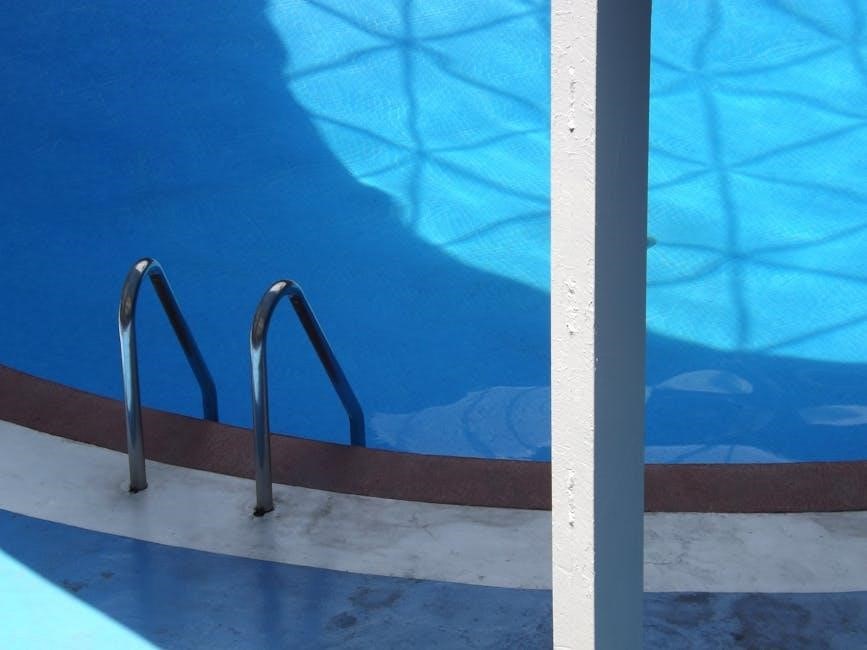
Q: Can I leave my Vinyl Works ladder installed during the winter? A: No, removal or proper winterization is crucial to prevent damage from freezing. Q: What type of cleaner should I use? A: Mild soap and water are best; avoid harsh chemicals.
Q: Where can I find replacement parts? A: Check the Vinyl Works website or authorized retailers. Q: How often should I inspect the ladder? A: Seasonally, at a minimum. Q: What if a step cracks? A: Replace it immediately for safety. Q: Is professional installation recommended? A: While DIY is possible, professional installation ensures correct setup.
Ensuring a secure and enjoyable pool experience, understanding your Vinyl Works ladder is paramount. This comprehensive guide provides detailed instructions for assembly, installation, and ongoing maintenance. Prioritizing safety, we’ll cover essential precautions and component identification. From pre-installation checklists and step-by-step guides to troubleshooting common issues like wobbling or step slippage, we’ve got you covered.
Learn about winterizing procedures, replacement part options, and a recommended maintenance schedule. We’ll also explore model variations and point you towards official resources for support and longevity.