Kriya Yoga, a potent path to self-realization, blends ancient techniques for rapid spiritual growth․
It utilizes asanas, pranayama, and mudras, preparing the body and mind for deeper practices․
Resources like Yogananda’s lessons (yogananda․org) and books offer guidance, while online communities support beginners․
This practice aims to awaken Kundalini energy, leading to inner peace and a connection with the higher self․
What is Kriya Yoga?
Kriya Yoga is an ancient, yet remarkably effective, set of techniques designed to accelerate spiritual evolution․ Unlike some yoga styles focused primarily on physical postures, Kriya Yoga delves deeper, working directly with prana – life force energy – to purify the body and mind․
It’s a comprehensive practice encompassing specific asanas (postures) to prepare the physical form, powerful pranayama (breathing exercises) to manipulate energy flow, and precise mudras (hand gestures) to direct that energy․ These preparatory techniques aren’t merely exercises; they are foundational steps towards unlocking the core Kriya practices․
The ultimate goal of Kriya Yoga is Kundalini awakening – the rising of dormant spiritual energy․ However, this isn’t approached haphazardly․ The systematic techniques, often learned through resources like those offered at yogananda․org, ensure a safe and controlled ascent, leading to profound inner peace and self-realization․ It’s a path suited for both householders and those seeking a more secluded spiritual life․
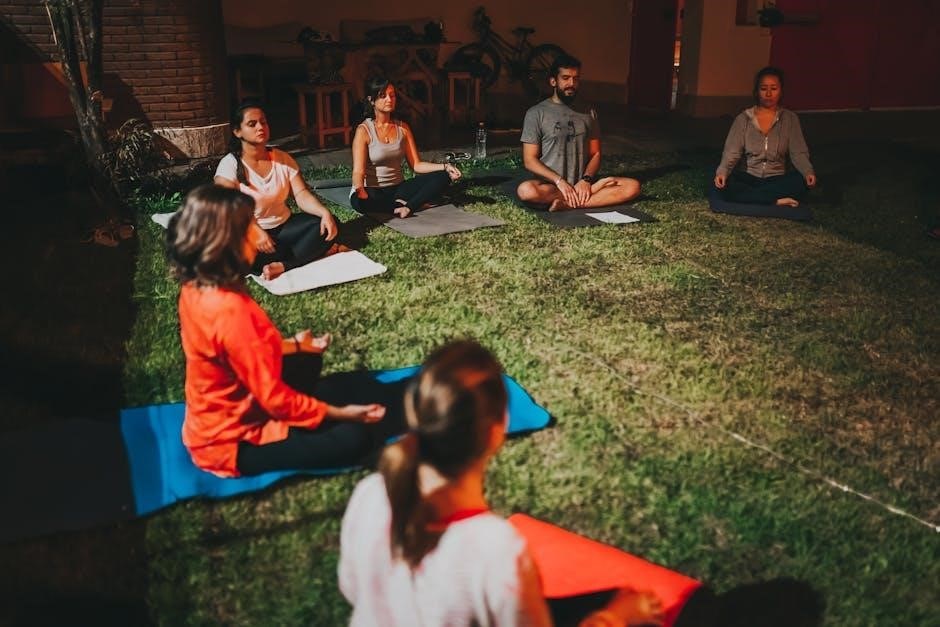
Historical Roots and Lineage
The origins of Kriya Yoga are steeped in ancient Indian tradition, though its modern revival is largely attributed to Mahavatar Babaji, a revered yogi whose existence is documented in accounts shared by his disciple, Sri Yukteswar Giri․ This lineage emphasizes a direct, experiential transmission of the techniques, rather than solely relying on textual study․
Sri Yukteswar, in turn, initiated Paramahansa Yogananda, who brought Kriya Yoga to the West in the early 20th century․ Yogananda’s Autobiography of a Yogi popularized the practice, and his organization, yogananda․org, continues to offer Kriya Yoga initiation through a structured lesson program․
While the specific techniques are often kept confidential and transmitted through authorized teachers, the underlying principles draw from the ancient science of yoga, particularly its tantric roots․ The emphasis on pranayama and energy work connects Kriya Yoga to a long history of yogic practices aimed at achieving liberation․
Kriya Yoga vs․ Other Yoga Styles
Kriya Yoga distinguishes itself from styles like Hatha Yoga through its focus on accelerating spiritual evolution via specific energetic techniques․ While Hatha Yoga primarily emphasizes asanas (postures) for physical purification, Kriya Yoga utilizes asanas as preparatory tools for deeper pranayama and meditative practices․
Unlike some modern yoga forms prioritizing physical fitness, Kriya Yoga’s core lies in consciously directing prana (life force) to awaken Kundalini energy․ This differs from restorative or gentle yoga, which prioritize relaxation and stress reduction․
Though sharing roots in the broader yoga tradition, Kriya Yoga is often considered a more advanced and direct path․ It’s described as a shortcut to realization, utilizing techniques to quickly purify the body and mind, as noted in resources like Ravindra Kumar’s book on Amazon․com․ The techniques are designed to balance the chakras and achieve Samadhi․

Preparatory Techniques
Kriya Yoga requires foundational practices․ Asanas open spinal channels, while pranayama awakens energy․ Mudras and meditation prepare the mind for advanced techniques․

Asanas (Yoga Postures) for Kriya Yoga
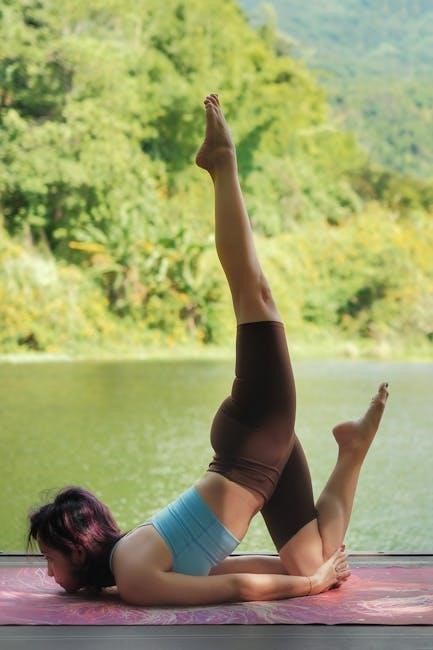
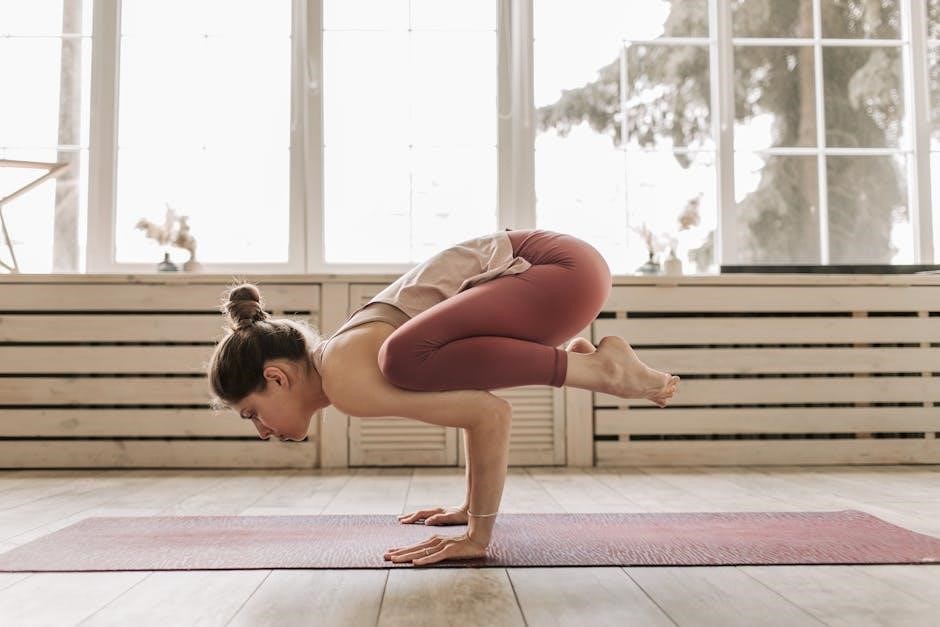
Asanas in Kriya Yoga aren’t merely physical exercises; they are integral to energy flow and spiritual preparation․ These postures work to purify the body, opening energy channels – particularly along the spine – which is crucial for the awakening of Kundalini․
While specific asana sequences vary, foundational poses often include those that promote spinal flexibility and strength․ These might encompass gentle backbends, twists, and forward folds․ The focus isn’t on achieving perfect form, but on cultivating awareness of the energy moving within the body during each pose․
The purpose is to create a stable and receptive vessel for the more potent Kriya techniques․ Practitioners should approach these postures with mindful attention, coordinating breath with movement․ This mindful approach prepares the body for the deeper energetic work that follows, ensuring a safe and effective practice․
Pranayama (Breathing Exercises)
Pranayama, or yogic breathing, is a cornerstone of Kriya Yoga, acting as a powerful tool to awaken and circulate Kundalini energy․ These techniques are far more than simple respiration exercises; they directly influence the nervous system and energetic body․
Specific pranayama practices are carefully chosen to prepare the practitioner for the core Kriya techniques․ They help to purify the nadis (energy channels) and calm the mind, creating a state of receptivity; The art of breathing is central to benefiting from this practice․
Two prominent techniques are Ujjayi Breath, creating a gentle oceanic sound, and Bhastrika Breath, a forceful bellows-like breathing․ These techniques, when practiced correctly, generate heat and energy, vitalizing the system․ Consistent practice is key to unlocking the full potential of these powerful breathing exercises․
Ujjayi Breath
Ujjayi Breath, often called “Victorious Breath” or “Ocean Breath,” is a foundational pranayama technique in Kriya Yoga․ It involves a slight constriction in the back of the throat, creating a soft, oceanic sound with each inhale and exhale․ This gentle resistance regulates the breath and cultivates a calming, meditative state․
Practicing Ujjayi helps to warm the body, soothe the nervous system, and increase oxygenation․ The consistent sound acts as an internal focal point, drawing the mind inward and reducing mental chatter․ It’s a subtle yet profoundly effective technique for preparing the body and mind for deeper Kriya practices․
Beginners are encouraged to master Ujjayi before progressing to more dynamic pranayama techniques․ It’s a versatile breath that can be used throughout a Kriya practice, enhancing focus and promoting a sense of inner peace․ It’s a key element in balancing energy․
Bhastrika Breath
Bhastrika Breath, or “Bellows Breath,” is a dynamic and energizing pranayama technique utilized within Kriya Yoga․ It involves rapid, forceful inhalations and exhalations, resembling the pumping action of bellows․ This vigorous breathing stimulates the digestive fire, clears energy blockages, and generates intense heat within the body․
Bhastrika is known for its ability to awaken Kundalini energy and revitalize the nervous system․ However, due to its intensity, it’s crucial to approach this practice with caution and under proper guidance․ It’s generally recommended for experienced practitioners who have established a solid foundation in other pranayama techniques․
The practice should be performed in a seated position with a straight spine․ It’s essential to maintain a relaxed abdomen and avoid straining․ Bhastrika is a powerful tool for purification and energy activation, but requires respect and mindful application․
Mudras (Hand Gestures)
Mudras, symbolic hand gestures, play a subtle yet significant role in Kriya Yoga practice․ They act as energetic locks, directing and circulating prana (life force) within the body․ These gestures complement asanas and pranayama, enhancing their effects and deepening the meditative state․
While specific mudras used in advanced Kriya techniques are often revealed within the initiatory lessons from organizations like Yogananda’s (yogananda․org), foundational practices may incorporate simple gestures․ These can involve specific finger and thumb positions, influencing energy flow to different areas․
Mudras aren’t merely physical postures; they are energetic seals that connect the practitioner to specific states of consciousness․ Their precise application, learned through proper instruction, is vital for maximizing their benefits and avoiding imbalances․ They are a key component in the holistic approach of Kriya Yoga․
The Core Kriya Techniques
Kriya Yoga’s core lies in specific techniques, including the Hong-Sau and Kriya Pranayama, designed to accelerate spiritual evolution․
These practices, received through initiation, work with prana to purify and energize the body-mind complex․
Understanding the Basic Kriya
Kriya Yoga isn’t simply a set of exercises; it’s a precise, scientific technique for accelerating spiritual evolution․ Before accessing the full Kriya, practitioners typically undergo preparatory lessons, often obtained through Yogananda’s organization (yogananda․org), delivered bi-weekly via mail upon application acceptance․
These foundational lessons—eighteen in number—focus on establishing a strong base through asanas (postures), pranayama (breathing exercises), and mudras (hand gestures)․ These techniques work synergistically to purify the body, calm the mind, and awaken the subtle energies within․ The aim is to open the spinal channels and balance energy flow, preparing the practitioner for the more advanced Kriya techniques․
This preparatory phase isn’t merely preliminary; it’s crucial for safely and effectively integrating the powerful energies unleashed by the core Kriya practices․ It’s a systematic approach, ensuring the body and mind are ready to handle the transformative process․
Hong-Sau Technique
The Hong-Sau Technique is a foundational Kriya Yoga practice, serving as a powerful tool for concentration and inner awareness․ It involves mentally repeating the sounds “Hong” and “Sau” with each inhalation and exhalation, respectively․ This rhythmic repetition helps to draw attention inward, away from external distractions and the incessant chatter of the mind․
Practitioners focus on the breath and the subtle sensations accompanying the mental repetition of these sounds․ “Hong” is often associated with the inflow of energy, while “Sau” represents the outflow․ This technique isn’t about forceful control of the breath, but rather a gentle, natural rhythm synchronized with the mantra․
Consistent practice of Hong-Sau cultivates a deeper connection to the present moment, fostering a state of meditative calm․ It prepares the mind for more advanced Kriya practices and aids in the awakening of inner peace and self-realization․
Kriya Pranayama
Kriya Pranayama distinguishes itself from typical breathing exercises through its integration with mantra and focused intention․ It’s not merely about breath control, but utilizing breath as a vehicle for energy manipulation and spiritual awakening․ This technique often involves specific ratios and mental focus, amplifying the effects of both the breath and the mantra․
Unlike general pranayama, Kriya Pranayama is typically learned through initiation from a qualified teacher, ensuring proper technique and safety․ The practice aims to purify the nadis (energy channels) and awaken Kundalini energy, preparing the practitioner for deeper states of meditation․
It’s a powerful tool for balancing the nervous system, increasing vitality, and enhancing mental clarity․ Consistent practice, guided by proper instruction, unlocks the transformative potential of this ancient technique, accelerating spiritual growth․

Advanced Kriya Practices
Advanced Kriya techniques, like Mahamudra and the Aum Technique, build upon foundational practices․ They accelerate Kundalini awakening and deepen meditative states․
These require guidance and preparation․
Mahamudra
Mahamudra, meaning “great seal,” is a profoundly transformative Kriya Yoga practice․ It’s considered an advanced technique, typically undertaken after mastering preparatory exercises and receiving instruction․ This practice focuses on sealing the energy within the body, preventing its dissipation and directing it towards higher consciousness․
The technique involves specific mudras (hand gestures), bandhas (energy locks), and focused concentration․ Practitioners often visualize energy flowing through the central channel of the spine, culminating in a state of profound stillness and awareness․ It’s believed to purify the subtle energy channels, removing blockages and facilitating the free flow of prana (life force)․
Mahamudra isn’t simply a physical exercise; it’s a deep meditative practice that requires discipline and guidance․ It’s often described as a key to unlocking the potential for Kundalini awakening and achieving Samadhi (a state of blissful union)․ Proper instruction is crucial to avoid imbalances and ensure a safe and effective practice․
Aum Technique
The Aum Technique within Kriya Yoga is a powerful practice utilizing the sacred syllable “Aum” – considered the primordial sound of creation․ It’s a sophisticated method for focusing energy and deepening meditative states, often introduced after foundational Kriya practices are established․
This technique involves specific ways of chanting or mentally repeating “Aum,” often synchronized with breath control (pranayama) and visualization․ Practitioners focus on the vibrations of the sound, directing them through the body’s energy centers (chakras) and along the spine․ The aim is to quiet the mind and access deeper levels of consciousness․
Variations of the Aum Technique exist, some involving specific mudras (hand gestures) and internal visualizations․ It’s believed to purify the energy channels, awaken Kundalini, and promote a profound sense of inner peace․ Like other advanced Kriya techniques, guidance from a qualified teacher is highly recommended for optimal results and safety․
Inner Mantra Techniques
Inner Mantra Techniques in Kriya Yoga represent a subtle yet potent method for accelerating spiritual evolution․ Unlike outwardly chanted mantras, these are silently repeated within the mind, harnessing the power of focused intention and vibrational energy․ They are typically bestowed upon a practitioner after demonstrating proficiency in foundational Kriya practices․
These mantras aren’t arbitrary sounds; they are carefully chosen seed syllables (bijas) or phrases believed to directly influence specific energy centers and states of consciousness․ The practitioner mentally repeats the mantra in synchronization with the breath, creating a rhythmic flow of energy․
The practice aims to quiet the incessant chatter of the mind, deepen concentration, and unlock hidden potentials․ It’s considered a direct path to Kundalini awakening and self-realization․ Guidance from a qualified Kriya Yoga teacher is crucial for receiving the appropriate mantra and understanding its correct application․
Kundalini Awakening and Kriya Yoga
Kriya Yoga powerfully awakens Kundalini energy, utilizing techniques to safely navigate this process․ Proper preparation and guidance are vital for a harmonious experience․
Precautions are essential, ensuring a balanced and controlled energy flow for optimal spiritual growth․
The Role of Kundalini Energy
Kundalini, often described as dormant spiritual energy residing at the base of the spine, is central to the transformative power of Kriya Yoga․ This potent force, when awakened, ascends through the body’s energy channels – the nadis – and chakras, leading to profound spiritual experiences and heightened consciousness․
Kriya Yoga techniques, including specific asanas, pranayama, and mantra practices, are designed to safely and effectively stimulate this awakening․ Unlike forceful methods, Kriya offers a gradual and balanced approach, preparing the nervous system and energetic body for the influx of energy․
The awakening of Kundalini isn’t merely about experiencing extraordinary sensations; it’s about a fundamental shift in perception, a dissolving of limiting beliefs, and a realization of one’s true nature․ It’s a process of purification, integration, and ultimately, liberation․ However, it’s crucial to approach this energy with respect and under proper guidance, as unprepared awakening can lead to imbalances․
Safety and Precautions
Kriya Yoga, while profoundly beneficial, demands a mindful approach and adherence to certain precautions․ Initiating these techniques without proper preparation or guidance can be detrimental, particularly concerning Kundalini awakening․ It’s vital to begin with the preparatory techniques – asanas, pranayama, and mudras – as outlined in resources like Yogananda’s lessons (yogananda․org)․
Individuals with pre-existing physical or mental health conditions should consult a healthcare professional before starting Kriya Yoga․ The intensity of the practices requires a stable foundation of health․ Avoid forcing any technique; listen to your body and respect its limits․
Furthermore, seeking guidance from a qualified Kriya Yoga teacher is highly recommended․ They can provide personalized instruction, address individual needs, and ensure safe progression․ Remember, the goal isn’t to achieve rapid results but to cultivate a harmonious and balanced spiritual evolution․

Resources for Learning Kriya Yoga
Yogananda’s lessons (yogananda․org) provide a structured path, while books and online communities offer support․
Amazon offers guides like “Kriya Yoga for Beginners” for deeper understanding․
Yogananda’s Lessons
Paramahansa Yogananda’s Kriya Yoga lessons represent a cornerstone for serious practitioners seeking authentic instruction․ Access to these lessons is obtained through application at www․yogananda․org, where a bi-weekly mailing of the curriculum commences upon acceptance․
The initial phase comprises eighteen foundational lessons, meticulously designed to impart preparatory techniques․ These techniques aren’t the Kriya itself, but essential groundwork․ They focus on asanas, pranayama, and cultivating mental stillness – all vital for safely and effectively receiving the core Kriya practice․
Only after completing and demonstrating understanding of these preliminary lessons does the opportunity arise to apply for the initiation into the complete Kriya Yoga technique․ This staged approach emphasizes the importance of proper preparation and a gradual unfolding of the practice, ensuring a secure and profound spiritual journey․ The lessons are comprehensive and designed for self-paced learning․
Books on Kriya Yoga
Several books offer valuable insights into Kriya Yoga, supplementing formal instruction and deepening understanding․ Mari Silva’s “Kriya Yoga for Beginners” (available on Amazon;com as a Kindle eBook) provides a comprehensive overview, covering asanas, mudras, pranayama, Kundalini awakening, and the pursuit of Samadhi․ It guides readers in balancing chakras and achieving inner peace․
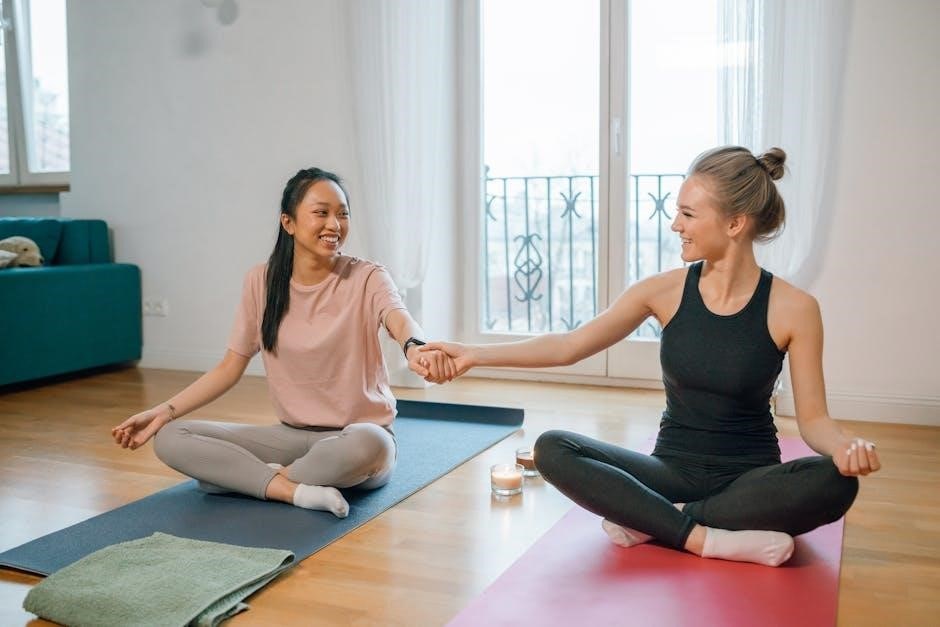
Ravindra Kumar’s “Kriya Yoga for Beginners” (also on Amazon․com) positions Kriya as an advanced technique, best approached after purification through Hatha Yoga․ This book emphasizes the rapid awakening of Kundalini energy suitable for both householders and renunciates․
These resources, while helpful, shouldn’t replace direct instruction․ They serve as excellent companions to the lessons from yogananda․org, offering additional perspectives and practical guidance for integrating Kriya Yoga into daily life․
Online Communities and Teachers
While books and lessons provide a foundation, connecting with a community and qualified teachers enhances the Kriya Yoga journey․ The Reddit forum r/kriyayoga serves as a vibrant platform for beginners to ask questions, share experiences, and receive guidance from fellow practitioners․ Discussions often revolve around starting the practice and addressing precautions related to the exercises․
However, remember that online forums are not substitutes for personalized instruction․ Seeking guidance from certified Kriya Yoga teachers is crucial for safe and effective practice․ The official Yogananda organization (yogananda․org) offers structured lessons delivered bi-weekly upon application acceptance․
These lessons form a systematic approach, beginning with preparatory techniques before progressing to the core Kriya practices․ Supplementing this with mindful engagement in online communities can foster support and deepen understanding․
